Product Description
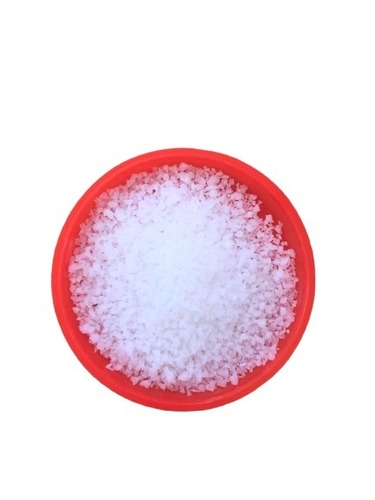
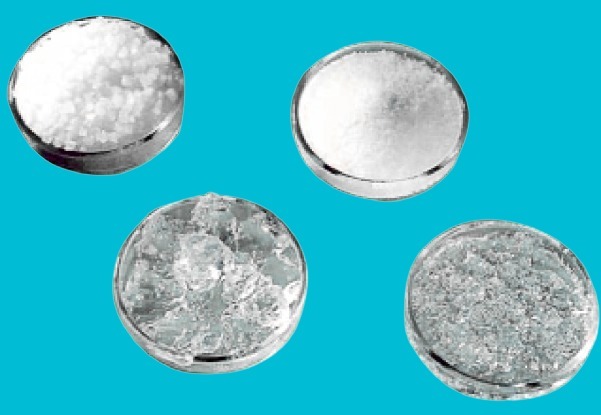
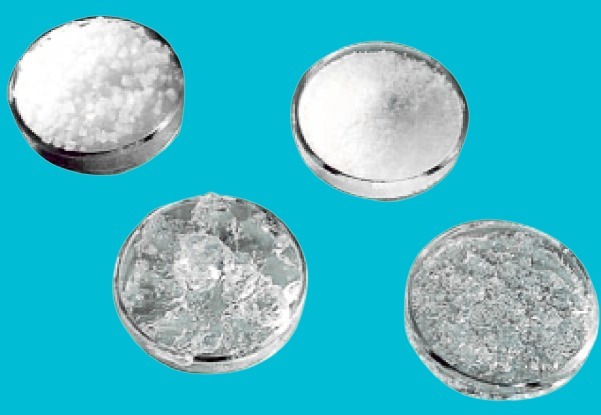
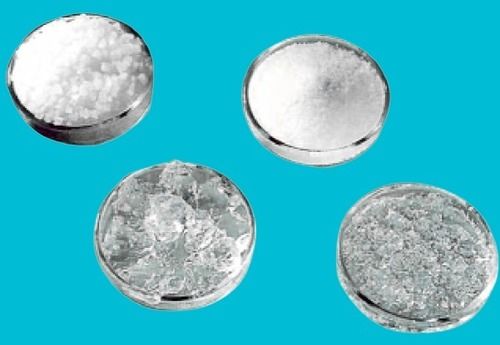
Specifications : Potassium Poly Acrylate or SAP - Potassium basedSuper Absorbent Polymer for agriculture, horticulture and allied sectors.
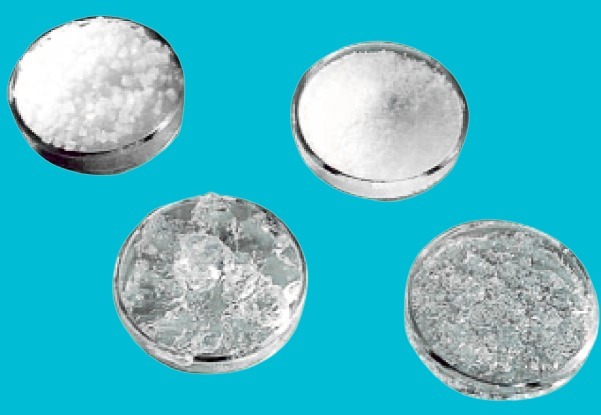
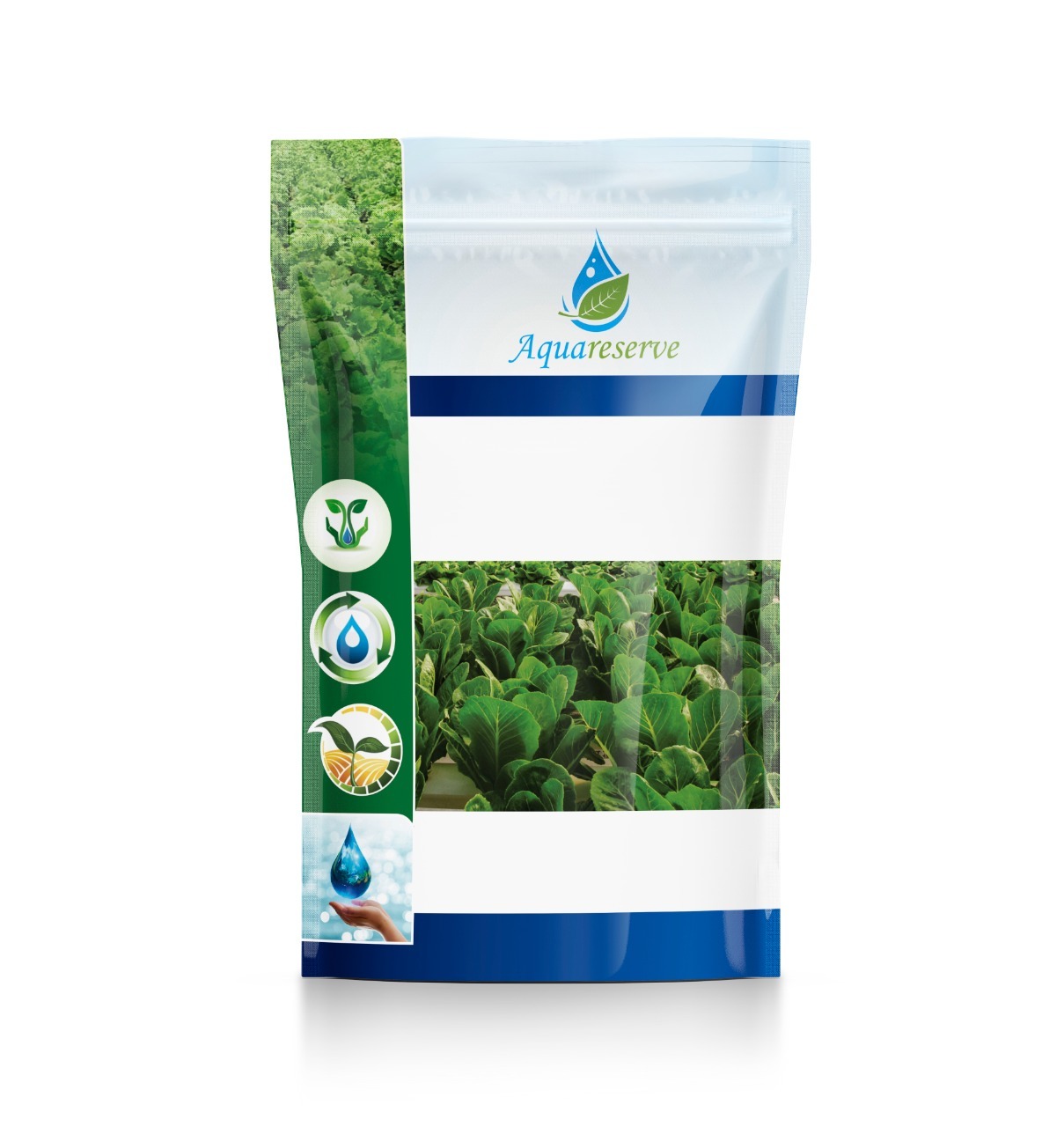
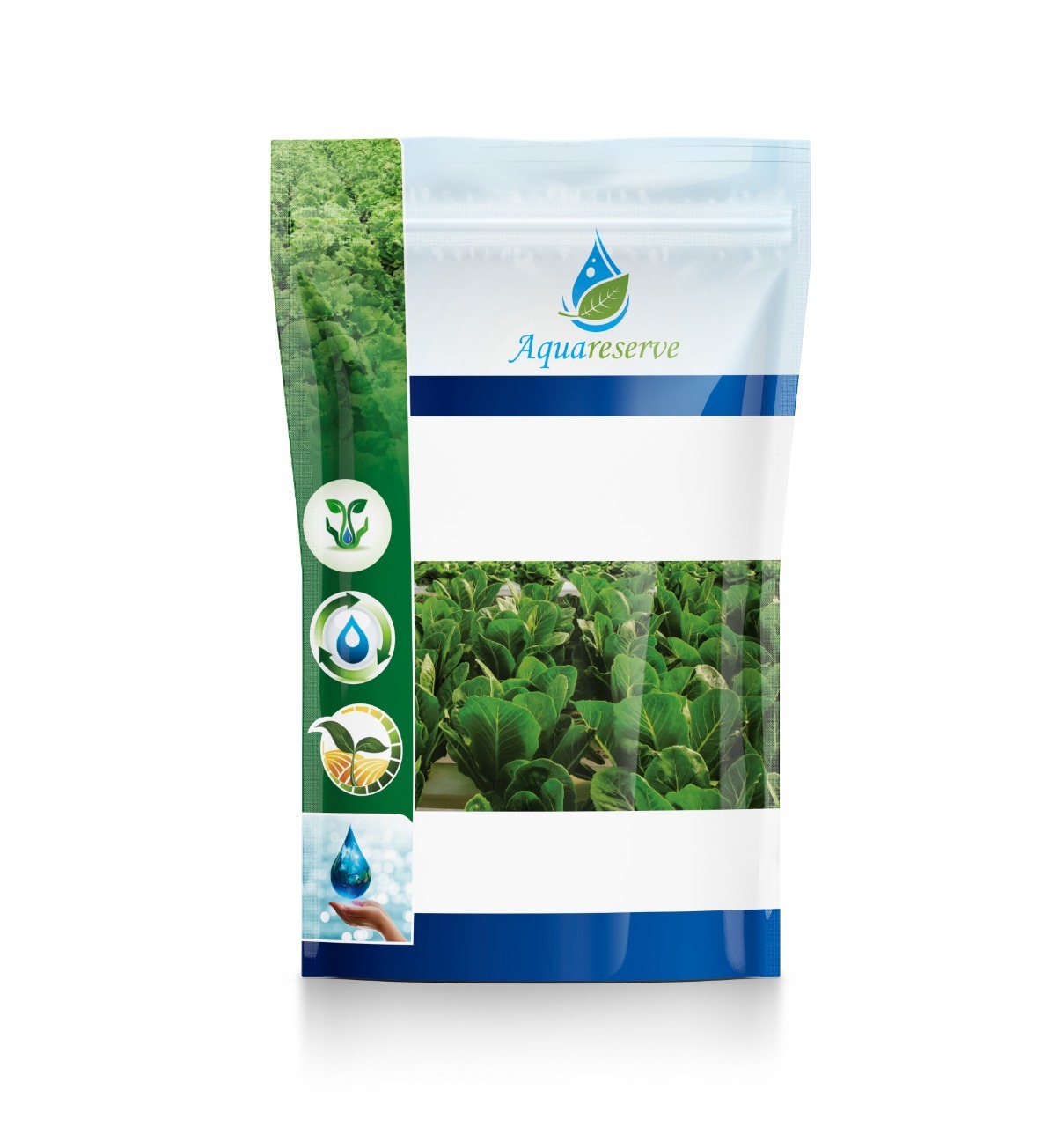
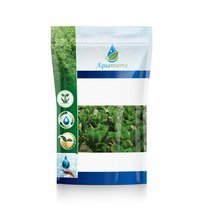
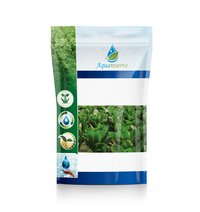
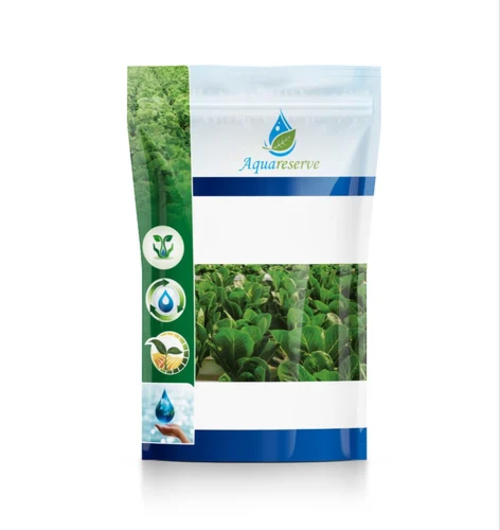
The total absorbency and swelling capacity are controlled by the type and degree of cross-linkers used to make the gel. Low density cross-linked SAP generally has a higher absorbent capacity and swell to a larger degree. These types of WATER ABSORBENT POLYMERs also have a softer and more sticky gel formation. High cross-link density polymers exhibit lower absorbent capacity and swell, but the gel strength is firmer and can maintain particle shape even under modest pressure. Our registered brand of this grade is AQUARESERVE
The product is widely used in the below mentioned field.
- Agriculture
- Horticulture
- Plant Growth Promoter & Nurseries
- Trees- Transplanting
- Pre-hydration
- Soil-conditioner
- Forestry & Arboriculture
- Golf Course, Lawns & Sod
- Gardening & Landscapers
- Organic Plant Growth Promoter & Bio-Stimulants (Yield booster)
- Seed Coating, Hydro-seeding
- Bare Root Dipping
Exceptional Water AbsorptionPotassium Polyacrylate is valued for its ability to absorb 300-400 times its own weight in distilled water. This characteristic transforms it into an indispensable agent for moisture retention in a variety of applications, including agricultural lands, horticulture beds, and construction environments where optimal hydration is critical.
Safe and Reliable for UseThis polymer is non-toxic, odorless, and presents with high purity (99%), making it suitable for applications where safety is paramount. Packed in bags or drums, it exhibits stability and maintains integrity over its 2-3 year shelf life if stored appropriately away from humidity and direct sunlight.
Versatile Application Across IndustriesFrom enhancing soil moisture retention in farms and gardens to optimizing water use in construction projects, Potassium Polyacrylate is a highly adaptable solution. Its instant dissolving ability, moderate acid resistance, and good alkali resistance ensure consistent performance, beneficial for distributors, exporters, and suppliers alike.
FAQs of Potassium Polyacrylate:
Q: How does Potassium Polyacrylate help in agriculture and horticulture?
A: Potassium Polyacrylate acts as a super absorbent water retention agent by absorbing and storing water, releasing it slowly in the soil. This improves water efficiency, reduces irrigation frequency, enhances plant growth, and helps crops withstand drought conditions.
Q: What is the best way to store Potassium Polyacrylate to ensure its shelf life?
A: For optimal shelf life of 23 years, Potassium Polyacrylate should be kept in a cool, dry, and ventilated area. The product must remain sealed in bags or drums, protected from direct sunlight, moisture, and contaminants.
Q: When and where should Potassium Polyacrylate be applied for maximum effectiveness?
A: Potassium Polyacrylate is best applied at the time of planting or mixing with soil in areas where moisture conservation is crucialagricultural fields, gardens, greenhouses, or construction sites. Its use is especially beneficial during dry spells or in regions with water scarcity.
Q: What is the process for using Potassium Polyacrylate in soil?
A: To use Potassium Polyacrylate, blend the recommended quantity into soil or substrate before planting. The polymer instantly absorbs water upon contact, expanding and forming a reservoir for roots to access as needed. Dosage depends on crop, soil type, and environmental conditions.
Q: Is Potassium Polyacrylate safe for the environment and human health?
A: Yes, Potassium Polyacrylate is classified as non-toxic and odorless, making it safe for agricultural, horticultural, and construction applications. It does not release harmful substances and poses no risk to humans or animals when used as directed.
Q: What are the benefits of using Potassium Polyacrylate compared to traditional water retention methods?
A: Unlike traditional methods, Potassium Polyacrylate offers significantly greater water absorption, reduces irrigation needs, and retains moisture longer. This results in water conservation, better yield, and lower maintenance costs, especially in challenging growing environments.
 Gujarat, India
 Chat with us




 Send Email


 Send Inquiry


 Send Inquiry
 Send SMS


